Source raw material balm methyl salicylate for balms cosmetics synthesis
Find 30 verified listings for raw material balm methyl salicylate suitable for balms, cosmetics, and synthesis applications. Compare purity, specifications, and pricing from multiple suppliers to identify the best option for your production needs.
Key considerations
Products List










Comprehensive Sourcing Guide
Strategic Sourcing Guide for Methyl Salicylate Raw Materials
Understanding the Chemical Profile and Technical Specifications
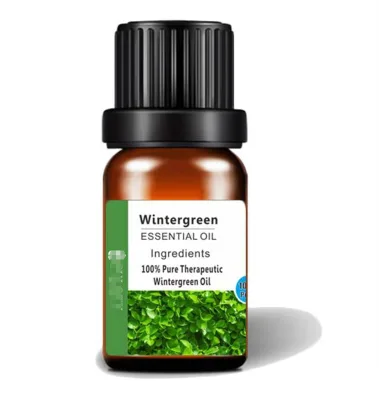
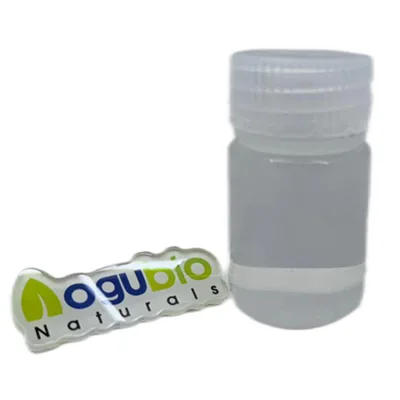
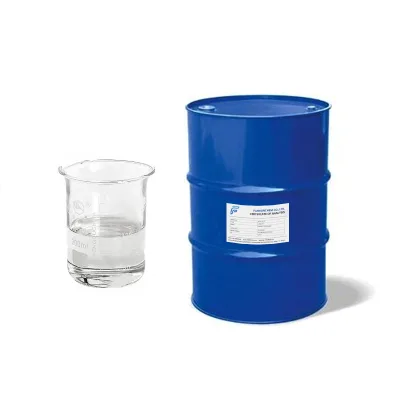
Methyl salicylate, chemically identified by the CAS number 119-36-8 and molecular formula C8H8O3, is a critical raw material for the synthesis of various pharmaceutical and cosmetic products. In the global supply chain, this substance is frequently categorized as a synthesis material intermediate, an agrochemical intermediate, and a key component for flavor and fragrance applications. The physical state of the material is consistently observed as a liquid, often described in technical data sheets as colorless or pale yellow. For procurement specialists, verifying these baseline physical attributes is the first step in ensuring the integrity of the supply.
The technical specifications for high-grade methyl salicylate are rigorous. The product is typically characterized by a specific gravity or density of approximately 1.1825 g/cm³, which is a vital parameter for quality control during receiving and storage. The boiling point is a defining thermal characteristic, recorded at 222 °C, while the melting point sits at -8 °C, indicating its stability as a liquid under standard ambient conditions. The flash point is noted at 226 °F, a critical safety metric for handling and transportation logistics. Furthermore, the refractive index is a precise optical property used to verify purity, with a literature value of n20/D 1.536.
Purity is a central concern in sourcing this chemical. Market observations indicate that high-quality batches often meet a purity threshold of 99.5%, with assay ranges typically spanning from 99.0% to 100.5%. Acidity is another critical specification; for a 5.0g sample, the titration with 0.1N NaOH should not exceed 0.5ml, ensuring the material is free from excessive acidic degradation products. The molecular weight of the compound is 152.15, a constant value used in stoichiometric calculations for downstream manufacturing processes. Buyers must ensure that the supplier's technical data sheet aligns with these specific numerical ranges to avoid process failures in their own production lines.
Regulatory Compliance and Certification Verification
When sourcing methyl salicylate for applications in cosmetics, balms, and synthesis, regulatory compliance is non-negotiable. The material is often associated with standards such as the British Pharmacopoeia (BP) and the United States Pharmacopoeia (USP), with specific model numbers like Methyl Salicylate BP/USP appearing in product listings. The European Inventory of Existing Commercial Chemical Substances (EINECS) number 1437450 is a key identifier for regulatory tracking in international trade.
Buyers must verify that the supplier can provide documentation confirming adherence to these pharmacopoeial standards. While the product may be labeled as "Technical" grade in some contexts, applications in cosmetics and pharmaceuticals often require higher grades. The presence of the EINECS number and specific USP/BP references suggests a level of regulatory recognition, but the buyer must confirm that the specific batch being purchased meets the current edition of these standards. Heavy metal content is a significant compliance factor, with observed maximum limits set at 0.002% (20ppm). Ensuring that the supplier's quality control processes can consistently meet this limit is essential for regulatory approval in sensitive markets.
Additionally, the classification of the material as a "High Purity Material" and its use in "Synthesis" imply that the supply chain must be transparent regarding the origin and processing methods. The product origin is frequently cited as Liaoning, China, a major industrial hub for chemical production. Buyers should verify that the "Place of Origin" on the commercial invoice matches the certification documents provided. The distinction between "Technical" and "Standard" quality grades should be clearly defined in the purchase order to prevent the receipt of sub-standard materials that could compromise final product safety.
Cost Drivers and Pricing Dynamics
The pricing of methyl salicylate is influenced by several dynamic factors, including raw material costs, energy prices, and global supply chain logistics. The observed price range in the market spans from 2 to 3500 USD, a wide variance that reflects differences in purity levels, packaging formats, order volumes, and supplier positioning. This broad range indicates that the commodity is available in various tiers, from bulk industrial grades to highly refined, small-batch pharmaceutical grades.
The Minimum Order Quantity (MOQ) is a significant cost driver, with observed ranges from 1 kg to 1000 kg. Suppliers offering lower MOQs, such as 1 kg, often charge a premium per unit due to the logistical overhead of handling smaller shipments. Conversely, larger orders, potentially up to 1000 kg, may benefit from economies of scale, though the total capital outlay is higher. The supply ability of major suppliers is reported at 150 metric tons per month, suggesting that large-volume buyers can secure consistent supply, but smaller buyers may face constraints or higher unit costs.
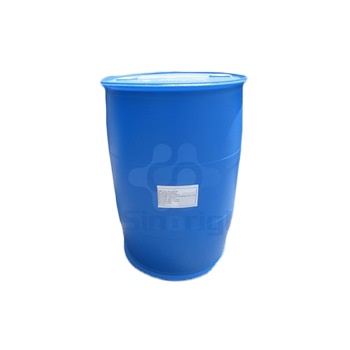
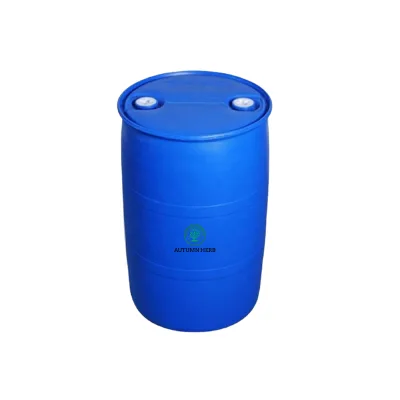
Packaging also impacts the final cost. The standard packaging is often listed as 25 kg per drum, with single package dimensions of 37x37x45 cm and a gross weight of 28.000 kg. Customization is available, which can alter the price structure. Buyers must evaluate whether the cost of custom packaging or smaller unit sizes justifies the operational benefits for their specific inventory management needs. The selling unit is typically a single item, but bulk pricing structures should be negotiated based on the total volume required.
Typical Applications and End-Use Markets
Methyl salicylate serves as a versatile intermediate in multiple industries, with its primary applications driving demand and specification requirements. One of the most prominent uses is in the formulation of balms, where its characteristic aroma and therapeutic properties are highly valued. The application field explicitly lists "Balm" as a primary use case, indicating its role in topical analgesic products. In the cosmetics sector, it is utilized for its fragrance profile and potential skin benefits, necessitating high purity and strict heavy metal limits.
Beyond personal care, the material is a crucial intermediate in chemical synthesis. It is classified under "Syntheses Material Intermediates," suggesting its use as a building block for more complex molecules in the pharmaceutical and agrochemical sectors. The specific usage is often noted as "For Synthesis," highlighting its role as a reactant rather than a final consumer product in many contexts. The chemical's properties, such as its water solubility of 0.07 g/100 mL at 20 °C, make it suitable for oil-based formulations and specific extraction processes.
The versatility of methyl salicylate extends to its classification as a "Flavor & Fragrance Intermediate," where it provides a wintergreen scent profile. This dual utility in both therapeutic balms and fragrance formulations requires suppliers to maintain strict quality controls to ensure the material meets the diverse needs of different end-users. Buyers should clearly define the intended application in their procurement specifications to ensure the supplier provides the correct grade of methyl salicylate.
Supplier Evaluation and Logistics Management
Selecting a reliable supplier for methyl salicylate requires a thorough evaluation of their operational capabilities and logistical infrastructure. The port of dispatch is a critical factor, with Dalian frequently cited as the primary shipping point for this commodity. Buyers should verify that the supplier has established logistics channels from Dalian to their destination, considering the transport machine options, which typically include ordinary goods trucks for domestic or regional distribution.
The shelf life of the product is another key evaluation criterion. Observed shelf life data indicates a duration of greater than 12 months, with some sources citing a self-life of 2 years. This longevity is advantageous for inventory planning, but buyers must ensure that the packaging, typically blue drums made of plastic, is robust enough to maintain product integrity over this period. The packaging material must be compatible with the chemical to prevent degradation or leakage.
Supplier reliability is also gauged by their customization capabilities. The availability of customization options suggests a flexible supply chain that can adapt to specific buyer requirements. However, buyers must assess the lead times associated with customized orders versus standard stock. The supply ability of 150 metric tons per month provides a baseline for capacity, but buyers should confirm the supplier's ability to meet their specific volume requirements without disruption.
Quality Control and Long-Term Procurement Strategy
Implementing a robust quality control (QC) protocol is essential for managing the risks associated with sourcing methyl salicylate. Buyers should request Certificates of Analysis (CoA) for every batch, verifying key parameters such as purity (99.5%), assay (99.0%-100.5%), and heavy metal content (max 20ppm). The refractive index and boiling point should also be cross-referenced with the CoA to ensure the material matches the expected physical properties.
For long-term procurement, establishing a strategic partnership with a supplier who offers consistent quality and reliable supply is more beneficial than transactional buying. The availability of a 2-year shelf life allows for strategic stockpiling, but buyers must monitor storage conditions to maintain product quality. Customization options should be leveraged to optimize packaging and logistics, reducing waste and handling costs.
Buyers should also consider the environmental and safety implications of the product. With a flash point of 226 °F and specific handling requirements, the supplier must demonstrate compliance with safety regulations. The classification of the product as a high-purity material underscores the need for a disciplined approach to procurement, ensuring that the raw material meets the stringent demands of downstream manufacturing processes. By focusing on these technical, regulatory, and logistical factors, buyers can secure a reliable supply of methyl salicylate that supports their operational goals and product quality standards.
FAQs
What is the purity level of raw material balm methyl salicylate?
The product typically meets a purity threshold of 99.5% with an assay range of 99.0% to 100.5%. Buyers should verify the Certificate of Analysis to ensure the specific batch aligns with these high-grade specifications for quality control.
How is raw material balm methyl salicylate packaged for shipment?
The standard packaging consists of blue plastic drums containing 25 kg per unit. The single package size measures 37x37x45 cm with a gross weight of 28 kg, though customization options are available for specific buyer requirements.
Which specifications define the physical state of raw material balm methyl salicylate?
The material appears as a colorless or pale yellow liquid with a density of 1.1825 g/cm³. It has a boiling point of 222 °C and a melting point of -8 °C, indicating stability as a liquid under standard conditions.
Can raw material balm methyl salicylate be sourced with low minimum order quantities?
Yes, the minimum order quantity can be as low as 1 kg for smaller buyers. However, suppliers typically offer a supply ability of 150 metric tons per month, which may influence unit pricing for larger volume orders.
What is the shelf life of raw material balm methyl salicylate?
The product has a shelf life exceeding 12 months, with some sources citing a duration of up to 2 years. Proper storage in compatible plastic drums is essential to maintain product integrity over this period.
Where is the raw material balm methyl salicylate manufactured and shipped from?
The place of origin is Liaoning, China, with the primary port of dispatch being Dalian. Buyers should verify that the commercial invoice origin matches the certification documents provided for regulatory compliance.
What heavy metal limits apply to raw material balm methyl salicylate?
The maximum heavy metal content is limited to 0.002% or 20 ppm. This strict limit is critical for ensuring the material meets safety standards for applications in cosmetics and pharmaceutical synthesis.